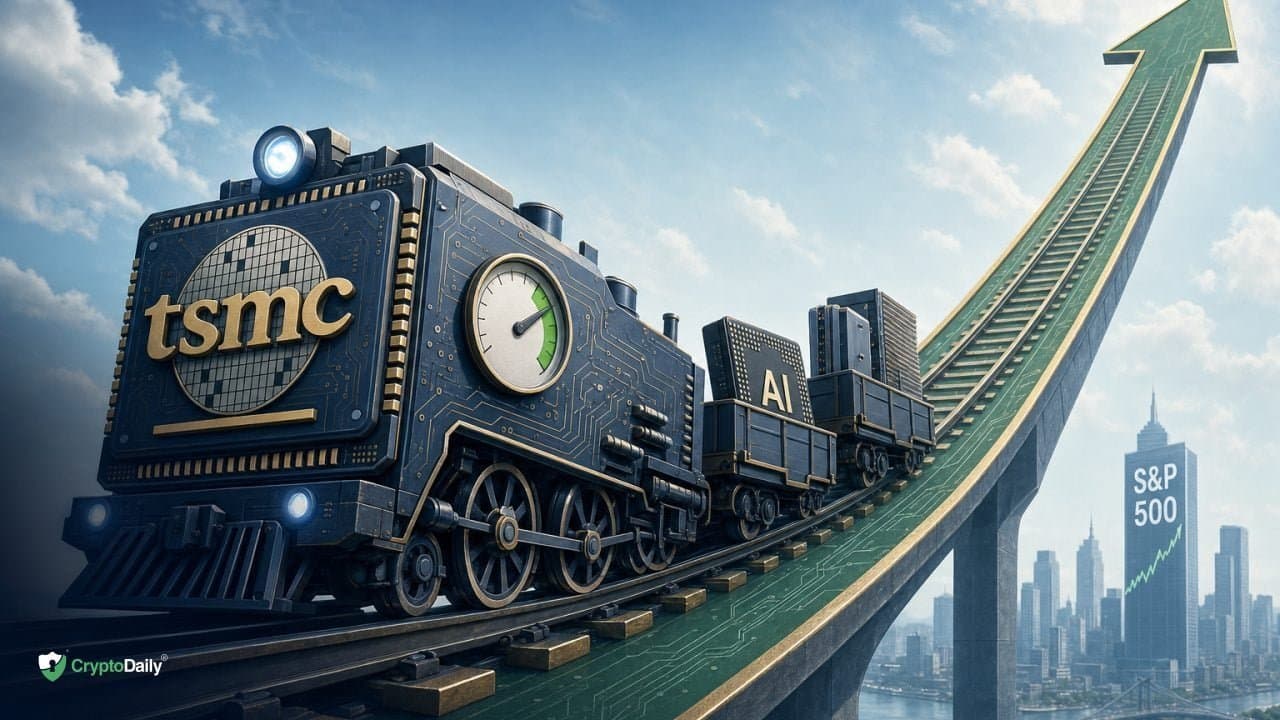
Recently, TSMC reported an impressive 36% revenue increase, prompting investors to ponder a critical question: Is the ongoing wave of demand for AI hardware still fueling growth in the S&P 500, or are we just catching up to a trend that's already in motion? For those with portfolios tied to broad US equities, this query is crucial as the leadership within the index is becoming increasingly concentrated, with semiconductor companies emerging as pivotal players.
The narrative around AI isn't just about selecting the right stocks or quarterly earnings reports; it encompasses a broader supply chain that includes various players such as foundries, packagers, memory manufacturers, and assembly services. These elements interact over time with each segment responding to shifts in demand, particularly in the AI sector. Awareness of where the bottlenecks lie and which metrics genuinely influence the investment landscape can steer you away from merely following the noise.
Key Components of the AI Supply Chain Impacting the S&P 500
To provide a clearer picture, consider the following crucial aspects:
- Index concentration: Semiconductor firms now make up a record 19.7% of the S&P 500's total weight, compared to only 5% in 2020, illustrating their significant influence on index performance.
- Near-term indicators: Monthly sales reports for June are set to be released on July 13, 2026, followed by Q2 results on July 16, 2026. These timelines are essential for tracking the AI supply chain's progression.
- Reading upstream signals: Foxconn's revenue grew by 39.8% year-over-year in Q2, suggesting strong AI-related demand for components.
- Memory market trends: Samsung announced a staggering 19-fold increase in operating profit for Q2, although its stock dipped amid concerns regarding the sustainability of AI-driven memory demand.
The dynamics of the S&P 500 are shaped by mega-cap chip suppliers, whose performance can sway the index significantly. As the demand for AI grows, so does the need for silicon both at the edge and in data centers, making substantial capital investments essential. Hyperscalers are locking in multi-quarter orders for accelerators that will fuel manufacturing processes, stretching from foundries to component assemblers.
Understanding the Risks and Opportunities
Investors must pay attention to various risks, including US export controls, geopolitical tensions in East Asia, and potential changes in subsidies, all of which could swiftly alter market dynamics. Navigating these factors will require acute awareness and strategic foresight as they present challenges and opportunities alike.
In summary, as AI continues to reshape the technology landscape, understanding the underlying supply chain can provide a significant edge. The sophisticated interdependencies between different facets of chip manufacturing and assembly are the true mechanics that keep the momentum going in the S&P 500.
This article is informational and should not be considered financial advice.