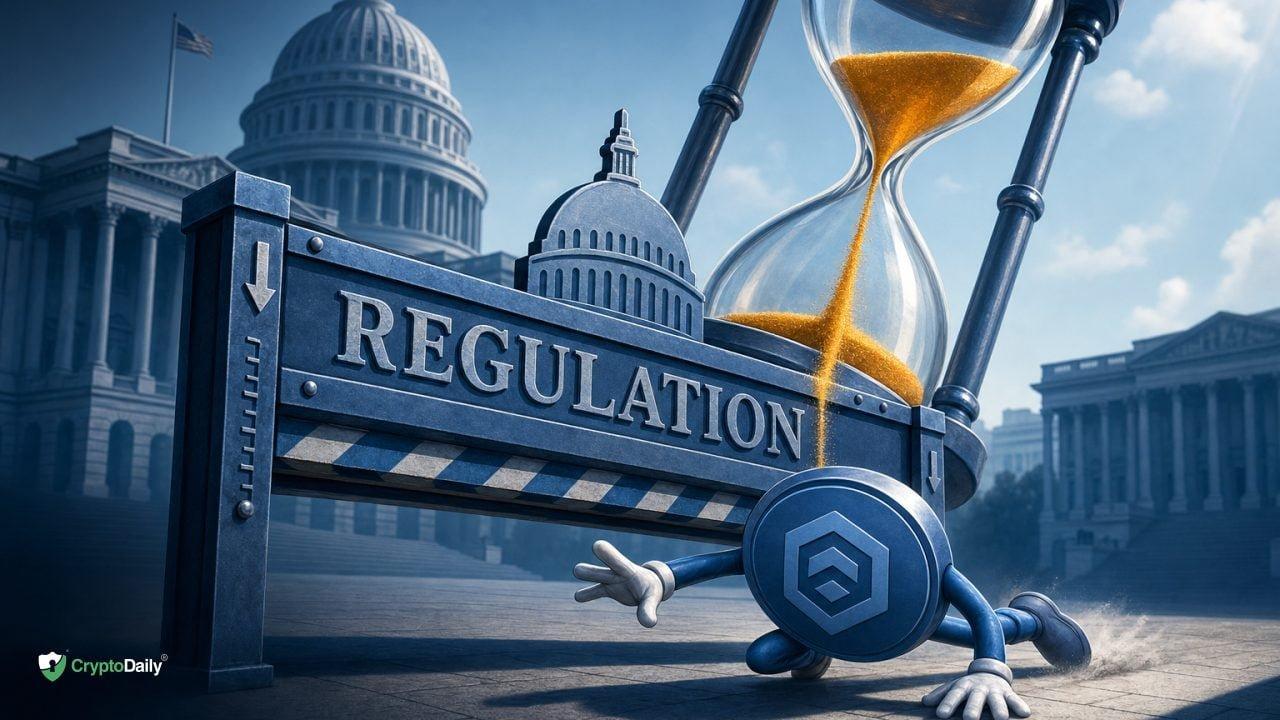
Members of the European Parliament recently approved a significant policy document aimed at re-evaluating the regulatory framework for decentralized finance, staking, crypto lending, and non-fungible tokens (NFTs) in light of the Markets in Crypto-Assets (MiCA) legislation. This move highlights the EU's proactive approach to adapting its financial regulations to encompass emerging digital asset classes.
Why This Matters
The decision to recommend a review by the European Commission is crucial for several reasons:
- It may lead to clearer regulations for DeFi, NFTs, and other crypto activities.
- Ensures consistent enforcement of digital asset regulations across EU member states.
- Aims to bolster the competitiveness of Europe's financial markets.
While this report does not modify existing laws or create new legal obligations for crypto firms, it emphasizes the need for comprehensive oversight. With MiCA officially in effect as of July 1, crypto-asset service providers are now required to secure EU-wide or national authorizations to operate within the EU.
The report titled Digital Assets Challenges for the Competitiveness and Integrity of the European Union’s Financial System outlines Parliament's official stance on the next steps for crypto regulation. The document urges the European Commission to assess whether the current framework adequately covers decentralized finance, staking, and NFTs, which remain outside existing regulations.
The Parliament's call for consistent regulatory practices is especially vital as varying national interpretations may jeopardize the integrity of the EU's single market for digital assets.
Market Insights
Recent data highlights the growth of MiCA-compliant euro stablecoins, with Decta reporting a remarkable 128% increase in market cap over the past year, rising from $295.6 million to $673.9 million, reflecting rising interest in regulated digital assets. Additionally, Decta noted a 43.1% increase in trading volumes for these stablecoins.
European lawmakers are optimistic that regulated digital assets can enhance the EU's financial market competitiveness, provided that regulations are uniformly applied across the region. The Parliament's report also accompanies ongoing efforts by the European Commission to explore possible regulatory adjustments, including a public consultation related to interest-bearing stablecoins.
Looking Ahead
As the EU evaluates its approach to digital assets, several questions linger: Will there be additional regulations imposed on DeFi and NFTs? How will the changes affect the operational landscape for crypto enterprises in the coming years? The answers to these queries will shape Europe’s regulatory future in the digital asset space.
Disclaimer: This material is for informational purposes only and does not constitute financial advice.