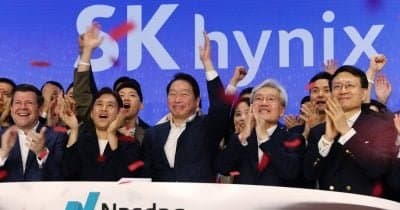
The Samsung KODEX SK Hynix Single Stock use ETF has lost a staggering 45% of its value just weeks after its launch, marking a swift turnaround in the chip sector's fortunes. This particular fund, which debuted in late May, is the largest among a series of leveraged ETFs that collectively drew in $3 billion in assets. Investors initially jumped on the opportunity as the technology and chip stocks surged, but now find themselves grappling with significant losses.
Investors had high hopes as South Korea's KOSPI index soared more than 110% this year, following a remarkable 76% increase in 2025, largely due to the performance of giants Samsung Electronics and SK Hynix. However, the excitement quickly faded when SK Hynix shares fell by 14% on July 13, pushing the KOSPI index down by about 25% from its peak. The current trading price of the ETF is disappointingly lower than its initial price, illustrating just how quickly fortunes can change in the volatile world of leveraged investments.
Regulatory Regrets Amid Retail Pain
Jung In Yun, the CEO of Fibonacci Asset Management, pointed out that retail investors, who have been the primary participants in this ETF market, are absorbing the bulk of the losses. Many treated these leveraged funds as long-term holdings instead of the short-term trading instruments they were designed to be. The Financial Supervisory Service's governor, Lee Chan-jin, acknowledged that regulators may have rushed into approving these ETFs in an effort to attract capital back into the local market and stabilize the South Korean won, but this strategy has largely backfired. His candid remark, 'Maybe I should have lain down on the floor to block it,' reflects a rare moment of self-criticism within regulatory circles.
Future of Leveraged ETFs in Korea
The fallout from this investment debacle raises critical questions about the future of leveraged ETFs in Korea. Despite the recent downturn, retail demand for these products remains unwavering, with investors pouring an additional $3.8 billion into leveraged and inverse Korean ETFs within the past month. This persistent interest comes even as the likelihood of stricter regulations looms on the horizon. How regulators will balance the need for investor protection with the desire to keep capital in the domestic market continues to be a developing story.
This article is for informational purposes only and does not constitute financial advice.