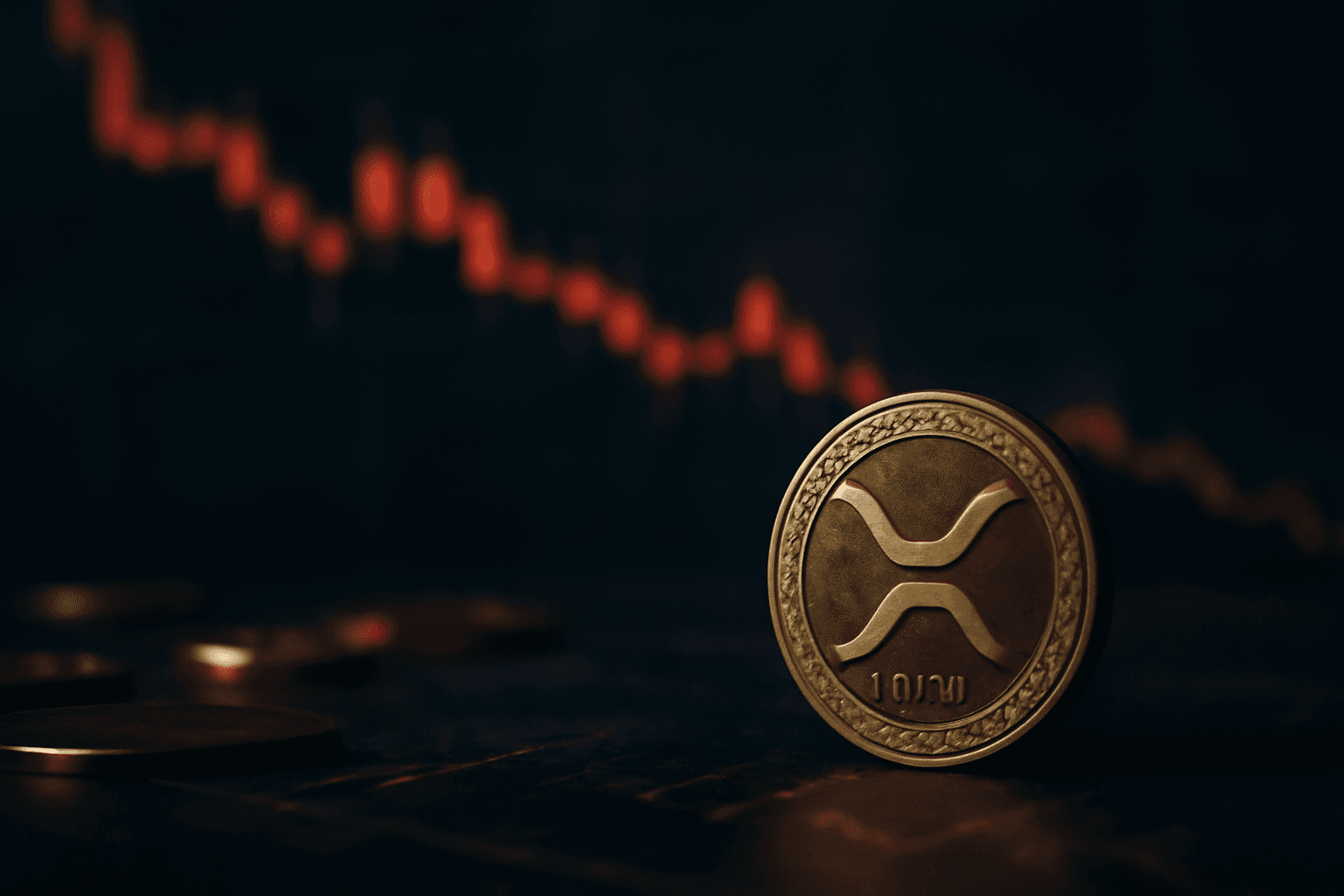
The cryptocurrency market is experiencing a stark downturn, with the combined value of assets excluding Bitcoin and Ethereum plummeting nearly 23% in the first half of 2026. This decrease brings the total market capitalization down to $666 billion, as liquidity retracts towards a limited number of favored tokens. Unlike a sudden crash, this downturn resembles a slow-moving structural depression, characterized by distinct factors and a shrinking list of viable assets.
Why This Matters to Investors
Understanding the current state of altcoins is crucial for investors as this market shift poses potential risks and opportunities. As the overall cryptocurrency market contracts, the fallout from poor-performing altcoins could influence investment decisions for the foreseeable future. Here are some key numbers:
- Total market capitalization of altcoins decreased by 22.84% in the first half of 2026.
- Ethereum has reported three consecutive quarters of declines, down 28% in Q2 alone.
- Solana’s value is in the $70 to $80 range, while Worldcoin has suffered an 80% decrease over seven months.
The sentiment in the crypto space has worsened, as illustrated by the Fear and Greed Index which fell to 12 levels not seen since previous market lows. Alongside Bitcoin's turbulent trading range, which hovered around $58,188 before rebounding above $62,000, the reality for altcoins is dire.
Resilience Among Select Tokens
Despite the widespread decline, a select group of assets is displaying surprising resilience. Certain tokens, such as a perpetual exchange token nearing its all-time high and a lending token that surged by 40% within a month due to a buyback, are distancing themselves from the general malaise in the market. This trend indicates that not all cryptocurrencies are equally affected by the ongoing downward pressure.
What Lies Ahead for Crypto Enthusiasts
The future remains uncertain for altcoin investors as they grapple with ongoing volatility. It will be crucial to monitor upcoming events and market movements that could impact this segment. Key areas to watch include:
- Market responses to regulatory changes.
- Potential technological advancements in surviving altcoins.
- Sentiment shifts among investors as new data becomes available.
As we navigate these challenges, understanding the broader dynamics of the cryptocurrency market could provide insight into where to invest next.
Disclaimer: This material is for informational purposes only and does not constitute financial advice.