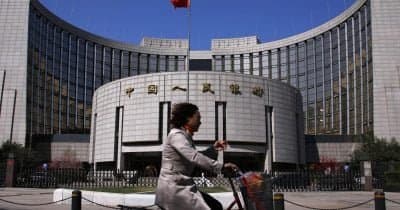
The People’s Bank of China (PBOC) has made a significant move by injecting 669.5 billion yuan, approximately $92 billion, into the financial system in a bid to tackle month-end liquidity challenges. This operation, executed on June 30, involved 600 billion yuan via overnight reverse repos and an additional 69.5 billion yuan through seven-day reverse repos, with the interest rate remaining steady at 1.4%.
This large-scale operation is not aimed at stimulating broader monetary policy but rather at ensuring liquidity during a tight financial period for Chinese banks. Tax payments and bond issuances create a temporary strain, forcing the PBOC to act. Earlier in the year, the bank managed these seasonal pressures with a much smaller net injection of just 9.5 billion yuan in April.
Despite the substantial cash infusion, the unchanged interest rate indicates that the central bank is focused on logistical issues rather than altering its monetary policy direction. This approach is crucial, as it helps maintain stability in the domestic market and reduces the chances of a disorderly depreciation of the yuan, a scenario that could negatively impact global assets, including cryptocurrencies.
The PBOC's actions reflect a bridge loan strategy rather than a long-term monetary easing shift. The ultra-short duration of reverse repos means that this cash is not a permanent addition to the financial system, but rather a temporary fix as banks prepare for upcoming obligations.
This material is informational and not financial advice.