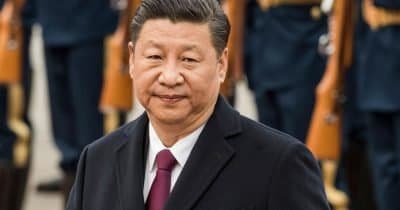
Chinese President Xi Jinping has declared China a frontrunner in the global artificial intelligence sector, directly challenging the United States’ long-held position. This initiative aligns with China's broader aim to create a state-centric framework for global AI governance, featuring plans like the Global AI Governance Action Plan and the World AI Cooperation Organization proposed in Shanghai. The announcement emerges amidst escalating technological tensions between the two nations, often referred to as an AI Cold War, where both countries are increasingly incorporating AI in their military and defense strategies.
Key Developments in AI Leadership
Xi Jinping's recent pronouncements signify a calculated move to redefine global AI standards, placing emphasis on state sovereignty and appealing to nations in the Global South. Analysts view this shift as a strategic maneuver to diminish U.S. supremacy in the AI domain. Market participants have responded accordingly, with recent trends showing a reduction in confidence regarding Xi's potential visit to the U.S. before 2027. Predictions have shifted from a 94% likelihood of the visit to just 89.5% over the past week.
Implications for U.S.-China Relations
The evolving situation raises questions about future diplomatic engagements. Observers are keenly monitoring any formal announcements from U.S. officials that could signal a change in the likelihood of Xi's visit. Additionally, shifts in trade negotiations and diplomatic relations between the two superpowers could further affect market outlooks. The establishment of the World AI Cooperation Organization may also play a crucial role in shaping U.S.-China dynamics moving forward, influencing perceptions around Xi's travel plans.
This content is for informational purposes only and does not constitute financial advice.