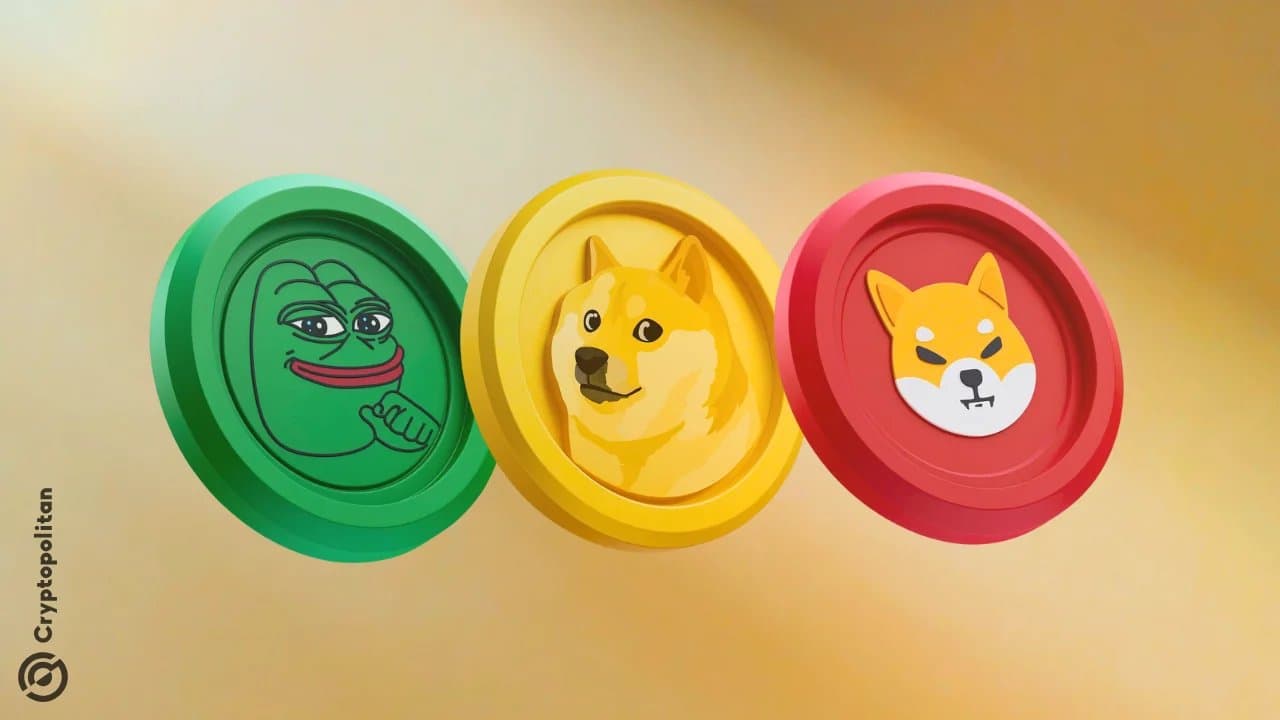
Meme tokens, which have been experiencing a resurgence, may soon face significant challenges from sellers, especially with the recent activity surrounding Robinhood’s new chain. While these tokens seem to thrive in the spotlight, an observable selling pressure could threaten their stability.
Market Dynamics and Selling Pressure
According to recent reports, meme tokens on Binance have faced a staggering $1.2 billion in selling pressure since October 2025. Retail traders, despite the inherent risks linked to meme tokens, have returned to this volatile landscape, seeking short-term profits. In fact, the phenomenon of retail interest in meme assets suggests that many are willing to take the gamble, but the market's fragility is evident.
Emerging Trends on Robinhood
Excitement is observable as meme tokens stir new interest on Robinhood’s recently launched platform, with trading results pointing to a $293 million rally in meme tokens driven largely by new hype. Notably, CashCat (CASHCAT) has emerged as a leader among these new tokens, boasting a market cap of $185 million. Yet, while the initial results on Robinhood show potential, sustaining this interest will be crucial. Recent airdrop incentives from influencers, such as Ansem, have played a significant role in boosting trading activity, but the sustainability of such trends remains to be seen.
The Risk of Volatility
Despite the early successes, the volatility of meme tokens is a pressing concern. As evidenced in past trends, many tokens experience rapid price surges followed by equally quick crashes. This behavior has led to a growing sentiment among traders that the market for meme tokens could shift drastically. A considerable portion of the investment enthusiasm that initially propelled these assets seems to have faded, highlighting a need for caution, particularly as whale movements can heavily influence prices. As meme tokens continue to pop up, their future stability hinges on whether they can overcome the pressures exerted by sellers.
This material is for informational purposes only and does not constitute financial advice.