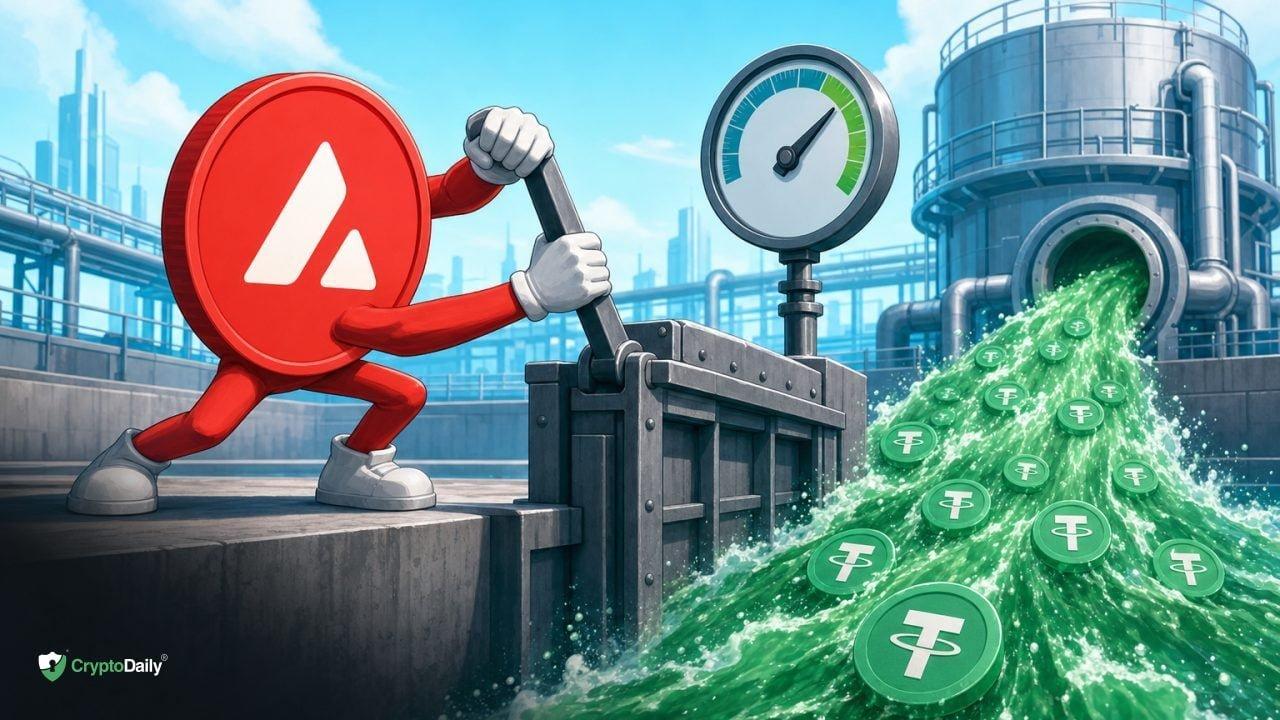
Robinhood has recently launched its Arbitrum-based chain, leading to a surge in on-chain trading activity that caught the attention of traders and crypto enthusiasts alike. On July 8, the chain registered a remarkable $568 million in daily trading volume, prompting questions about its potential impact on the value of ARB. The primary inquiry is whether this development represents a game-changer for ARB or simply a headline-making event.
Understanding the Launch
Robinhood Chain made its debut on July 1, 2026, seamlessly integrating into Ethereum’s scaling framework using Arbitrum technology. This launch is particularly significant for Robinhood’s vast retail user base, as it offers lower fees and faster transaction confirmations, optimizing their on-chain trading experience. However, it is crucial to note that Robinhood Chain is distinct from Arbitrum One itself; rather, it operates alongside it as a separate network.
The allure of this chain lies in its potential to attract users and liquidity from outside the traditional crypto ecosystem, tying into the broader conversation about the future of decentralized finance. With the Robinhood brand known for its accessibility, the integration with Arbitrum could serve as a gateway for new users exploring blockchain technologies.
The Impact on ARB Demand
While the excitement around the $568 million trading volume is palpable, it doesn’t guarantee boosted demand for the ARB token. ARB primarily serves as a governance and incentive asset rather than a gas payment token on Arbitrum, which means the heightened activity on Robinhood Chain may not lead to an immediate buy pressure for ARB. Nonetheless, the potential indirect pathways for ARB to benefit from this increase in activity cannot be overlooked.
If Robinhood Chain consistently brings in new users and capital into the Arbitrum ecosystem, ARB could gain value over time due to its roles in governance relevance and incentives. Furthermore, as more applications adopt Arbitrum’s technology, a network effect could emerge, reinforcing the demand for ARB as developers are drawn to the protocol’s promising features.
It’s essential for stakeholders to monitor factors such as user retention, cross-chain interactions, and the decisions made by decentralized autonomous organizations (DAOs) that could tie user activity back to the token’s overall utility. These elements play a significant role in ensuring that the initial excitement translates into long-term value for ARB.
This article serves informational purposes and should not be considered financial advice.