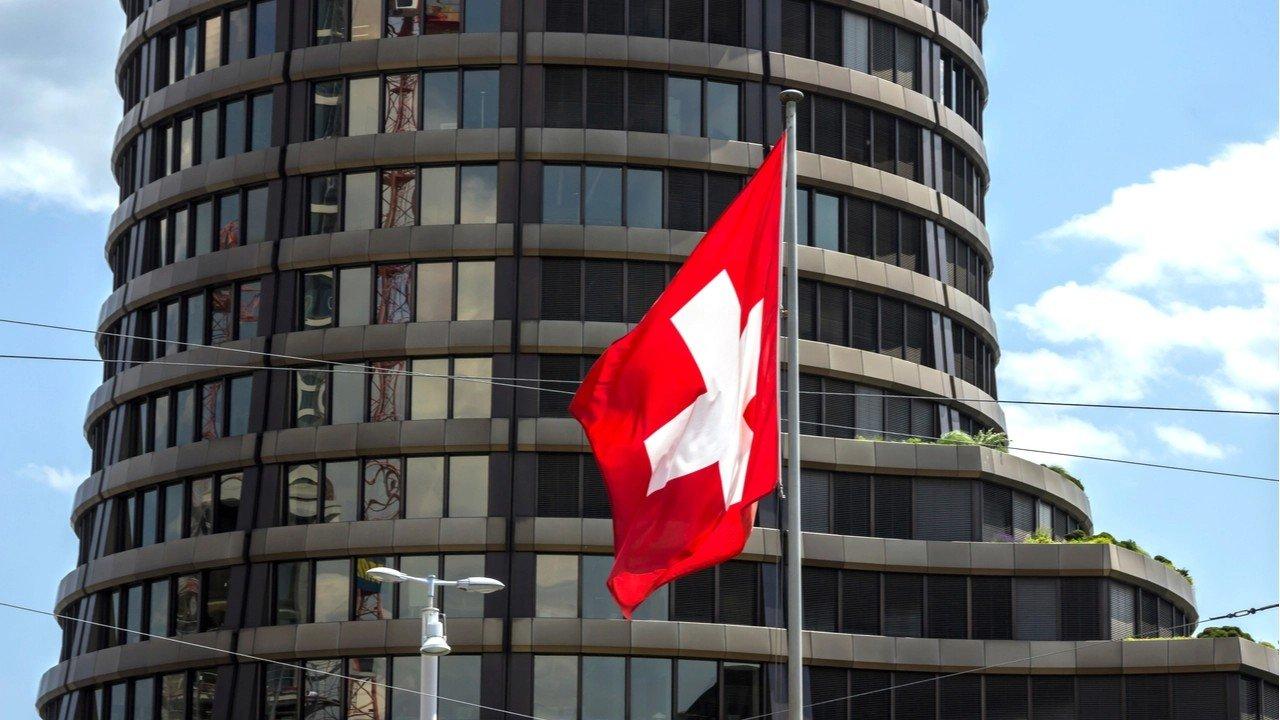
The Bank for International Settlements (BIS) has ramped up its critique of private stablecoins, cautioning that they might disrupt the global financial landscape and introduce new threats to stability. In its 2026 Annual Economic Report, the BIS emphasizes that privately issued digital currencies are lacking in essential traits associated with sovereign money and advocates instead for a cohesive tokenized payment system connected to central banks and regulated commercial banks.
Stablecoins' Limitations as Financial Instruments
The Basel-based organization asserts that stablecoins do not meet a crucial criterion of modern financial systems: the ‘singleness of money.’ Under current financial regulations, a unit of sovereign currency retains its value, whether held as central bank assets, commercial bank deposits, or in cash form. The BIS argues that private stablecoins cannot ensure this stability, particularly during market turbulence, where their value can fluctuate above or below their target peg.
Furthermore, stablecoins typically operate on various public blockchains that are often disconnected from one another. Instead of creating an integrated payment framework, this scenario results in separate digital ecosystems, or what the BIS calls “walled gardens,” where liquidity and applications remain split across various platforms. This fragmentation diminishes competition, lowers payment efficiency, and complicates cross-border settlements.
Redemption Risks and Dollar Dependency
Another considerable concern highlighted in the report pertains to the potential consequences of large-scale stablecoin redemptions, which could compel issuers to sell reserve assets, including U.S. Treasury bills. Such actions might lead to significant stress in traditional money markets, particularly during financial crises, as rapid asset sales occur in times of instability.
The report also raises alarms regarding the increasing prevalence of U.S. dollar-backed stablecoins in emerging markets. The BIS points out that families and businesses in nations grappling with high inflation or inconsistent domestic currencies are increasingly turning to dollar-pegged stablecoins. While this shift can provide immediate financial relief, the institution warns that diminished use of local currencies may undermine the effectiveness of domestic monetary policies. The ongoing rise of dollar-backed stablecoins could accelerate digital dollarization and potentially alter the structure of international currency agreements.