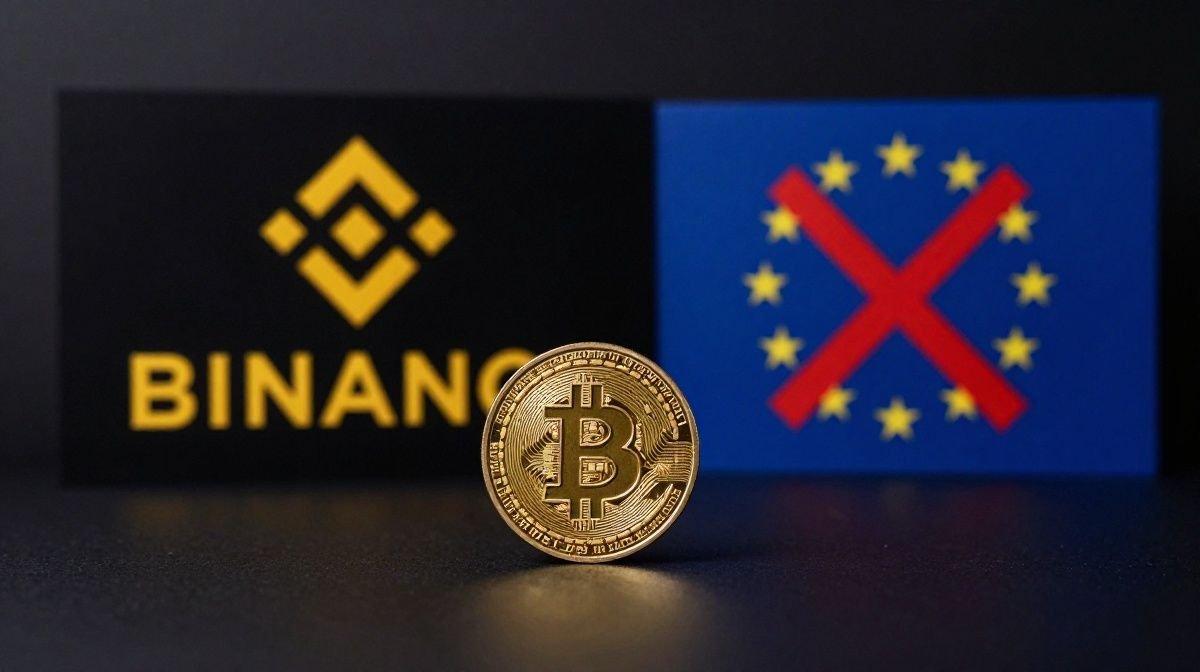
It's now a confirmed reality, and the timing is critical. As of July 1, Binance, the largest cryptocurrency exchange globally, has informed its European users that it will cease operations in the region. This decision stems from the exchange's inability to secure the necessary license to operate legally within the EU.
For millions of users across the European Union, this marks a significant turning point in the ongoing MiCA regulation saga. Here's a breakdown of the situation and what it means for your assets.
Why is Binance Exiting the EU Market?
The driving force behind this exit is a stringent regulatory deadline. Starting July 1, every crypto service provider must possess a MiCA license from a member-state regulator or face expulsion from the 27-nation market. The option for a single national license to be valid across the bloc adds pressure.
Binance had heavily invested its hopes in Greece but faced a setback. After filing an application through a local entity in January, the exchange pulled its request on June 24, just days after news broke that the Hellenic Capital Market Commission was likely to reject it. Essentially, Binance opted to withdraw before facing formal rejection.
Shifting Focus to New Jurisdictions
Now, Binance is redirecting its strategy towards obtaining authorization in France. The company remains optimistic about securing an EU license soon, although it is crucial to note that any approval from France may come only after the July 1 deadline. As a result, Binance will be unable to cater to its EU customers in the interim.
What This Means for Users in the EU
If you are a Binance user based in the EU, this change directly impacts you. Customers from countries like Poland, Italy, Spain, and France where Binance previously held local registrations now invalidated by MiCA received notices detailing how to withdraw their funds. The company stated it will not be granted a MiCA license until June 30, 2026.
Even as Binance attempts to alleviate concerns by assuring users that their assets are safe and accessible, the reality is quite different. Effective July 1, the platform will halt new spot orders, deposits, registrations, and services like Earn, staking, and launchpool for EU users. While withdrawals and access to funds will remain possible, this amounts to a suspension rather than a complete closure.
However, it is essential to note that EU users opting to remain with an unlicensed platform will lose the consumer protections aimed at safeguarding them under MiCA. As analysts caution about potential market downturns, it may be crucial for users to consider their options carefully.