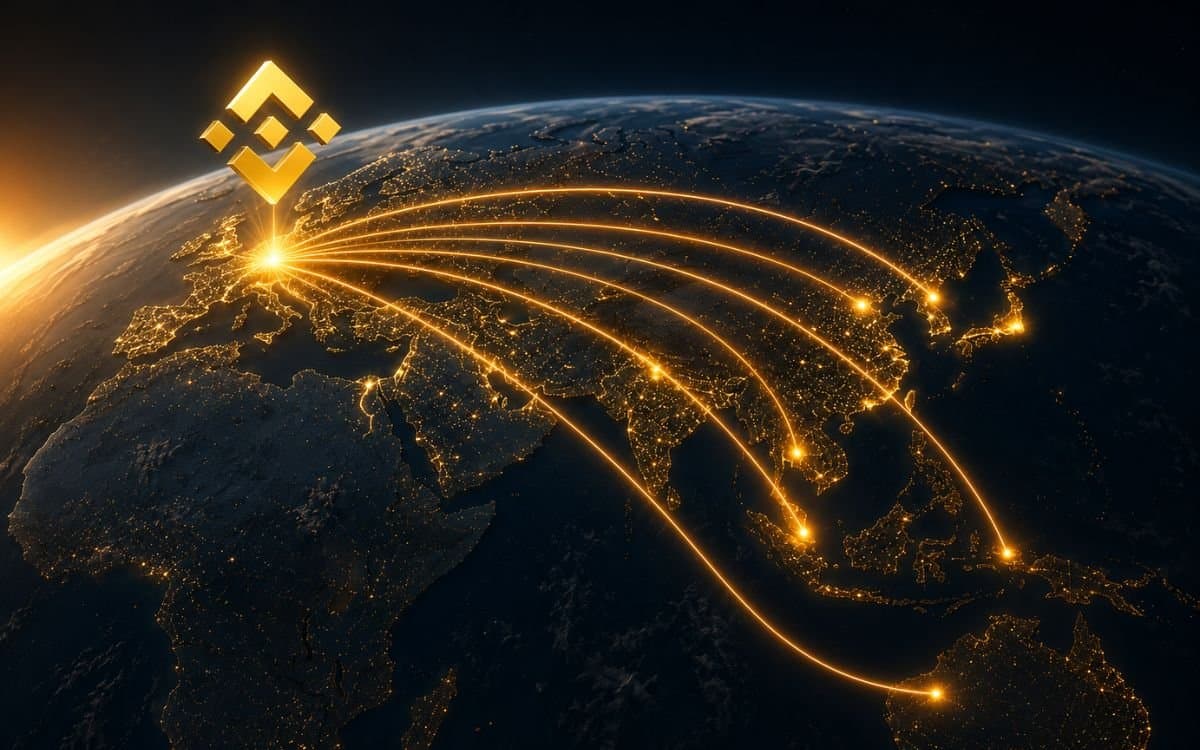
Binance is making headlines with its recent expansion in Asia, particularly with its re-entry into the Philippines through a partnership with BlockShoals Technologies. This move was announced by Richard Teng, the Co-CEO, during the Reuters NEXT Asia conference in Singapore on July 9, 2026. Binance now operates in several countries including Japan, South Korea, Thailand, Indonesia, Australia, and most recently, the Philippines.
The partnership with BlockShoals allows Binance to navigate the regulatory landscape in the Philippines, which has become increasingly complex. As confirmed by the Philippine Securities and Exchange Commission, although Binance is back, it cannot yet facilitate peso transfers because neither it nor BlockShoals holds the necessary Virtual Asset Service Provider license. For now, the exchange can offer crypto trading in compliance with SEC regulations, but traditional fiat transactions remain off the table.
Teng shared insights about Binance's current operations and hinted at more expansions across Asia. He did not disclose specific upcoming jurisdictions but mentioned that several regulatory bodies in both Europe and Asia have encouraged Binance to apply for additional licenses. This is particularly interesting for traders, as it could signal a shift in Binance's ability to operate more freely in these regions.
The situation in the Philippines serves as a practical example of how Binance's expansion works in real life, especially for traders looking to understand what services are available. For instance, many may not realize that trading is permitted under SEC rules, but peso transactions are restricted due to central bank regulations. This distinction is critical for anyone using Binance during this transition phase.
Moreover, the backdrop of these developments includes Binance's recent withdrawal of its MiCA application in Greece. Teng described this setback as unexpected, and it has reportedly led to a significant number of EU users transferring their funds to self-hosted wallets instead of remaining on platforms awaiting licensure. This has implications not just for Binance, but for users throughout the EU.
As the regulatory landscape evolves, Binance's actions will be closely monitored. Traders in Southeast Asia, in particular, should stay vigilant about which services are legally permitted in their respective markets. As seen in the Philippines, having a presence does not guarantee access to all services, making it essential for users to stay informed.
This material is informational and not financial advice.