On a relatively uneventful Tuesday, Aave's founder shared an intriguing announcement: 100% of both Aave and GHO's revenue will be directed toward AAVE, facilitated by automated buybacks. This felt more monumental than merely a teaser, signaling a significant shift.
In the days following, reports began to outline the changes. The previously committee-driven buyback mechanism is being replaced by a code-based solution that will channel protocol cash flows directly into AAVE purchases. This new setup eliminates the need for meetings and allows for a streamlined process involving just a pipeline, a target, and a continuous loop.
Market Reactions and Implications
Traders have taken notice. On June 30, Santiment reported the highest single-day increase in new Ethereum wallets interacting with AAVE since 2021. Such spikes are rarely coincidental; they indicate that significant changes are afoot.
Aave appears to be transforming from a framework based on persuasion to one rooted in mechanics. Dubbed Aavenomics 3.0, this new approach aims to convert protocol revenue into consistent, automated demand for the AAVE token all without the need for various committees or sporadic decisions. The rationale behind this strategy aligns with the current market conditions, where DeFi volumes are on the rise and stablecoin supplies have expanded. Protocols are now under increased pressure to ensure that value flows more efficiently and predictably.
What's Changing Under the Hood?
The fundamental change lies in how buybacks are executed. Previously, these initiatives were oriented around proposals and multisig controls. The new vision, however, is centered around automation. As of June 25, Aave's founder reaffirmed that all revenue from Aave and GHO will now feed into AAVE, hinting at Aavenomics 3.0 with its robust, on-chain buyback mechanisms.
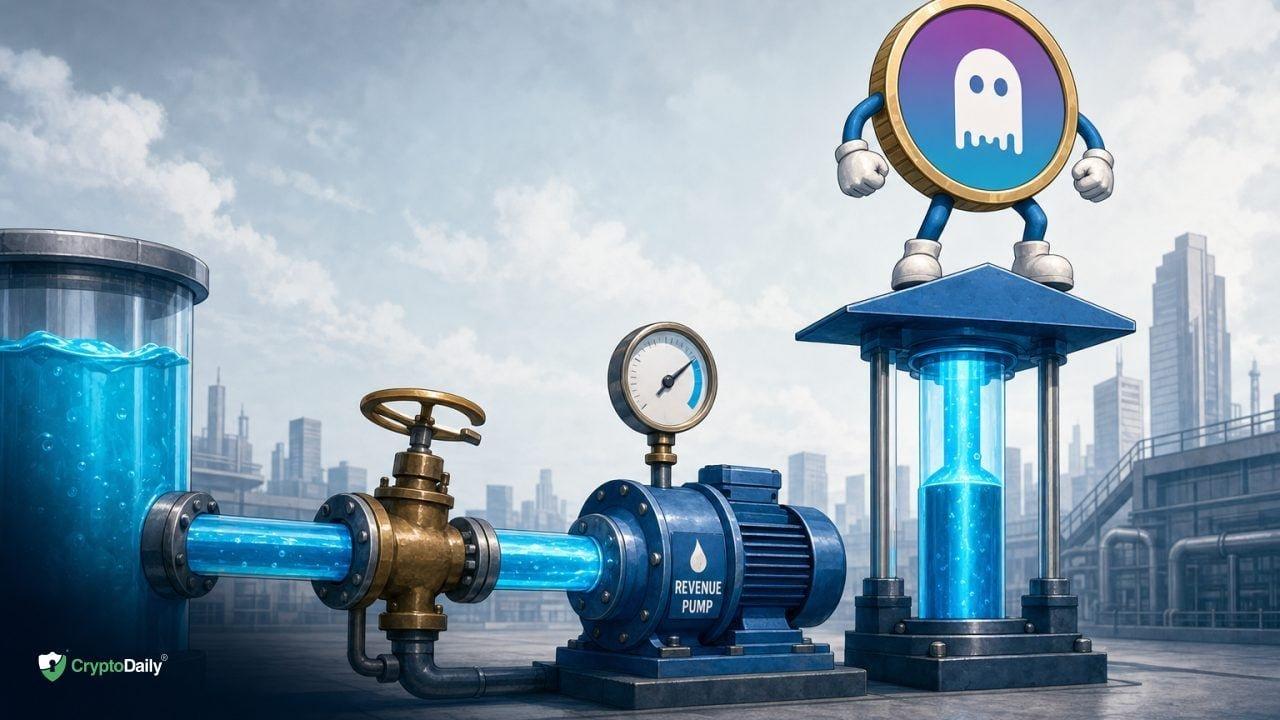
To visualize this system, consider the following: fees and interest spreads accumulate, and rather than pooling these resources indefinitely, a smart contract will allocate funds to market buys based on predefined logic. Reports have previously indicated an annualized fee run rate approximating $400 million, underscoring the revenue's volatility aligned with market conditions.
Executing Buybacks Effectively
In broad strokes, the buyback process may look like this:
- Accumulate protocol and GHO revenue into a centralized collector.
- Disburse funds into a buyback contract at scheduled intervals.
- Route orders through designated platforms, with safeguards against slippage and miner extractable value (MEV).
- Distribute AAVE to a specified endpoint this could be a treasury, a Safety Module, or even a burn address if governance decides so.
- Publish receipts to allow public verification of the flow on-chain.
According to governance reports, the former buyback program has acquired over 205,000 AAVE since April 2025, which is around 1.28% of the total 16 million max supply. The new setup is estimated to consistently purchase approximately 292 AAVE daily, contingent on revenue and configurations.
This innovative transition is not merely an adjustment to reward systems; it fundamentally alters the dynamics of cash flow management, the control mechanisms behind it, and its overall predictability. As such, it has far-reaching implications for token holders, borrowers, and liquidity providers engaged in trading through the buyback contract and users observing the GHO flywheel.